On 12–13 November 2026, AddiCAD partners from South Africa, Namibia, The Gambia, The Netherlands and Germany gathered at Stellenbosch University’s Biomedical Research Institute (BMRI) in Cape Town for their first in-person consortium meeting. After several months of working together across countries, colleagues spent the two days discussing progress towards their shared goal of making tuberculosis (TB) diagnosis more accurate and accessible in settings with limited healthcare resources.
Combining chest X-rays with a fingerstick blood test
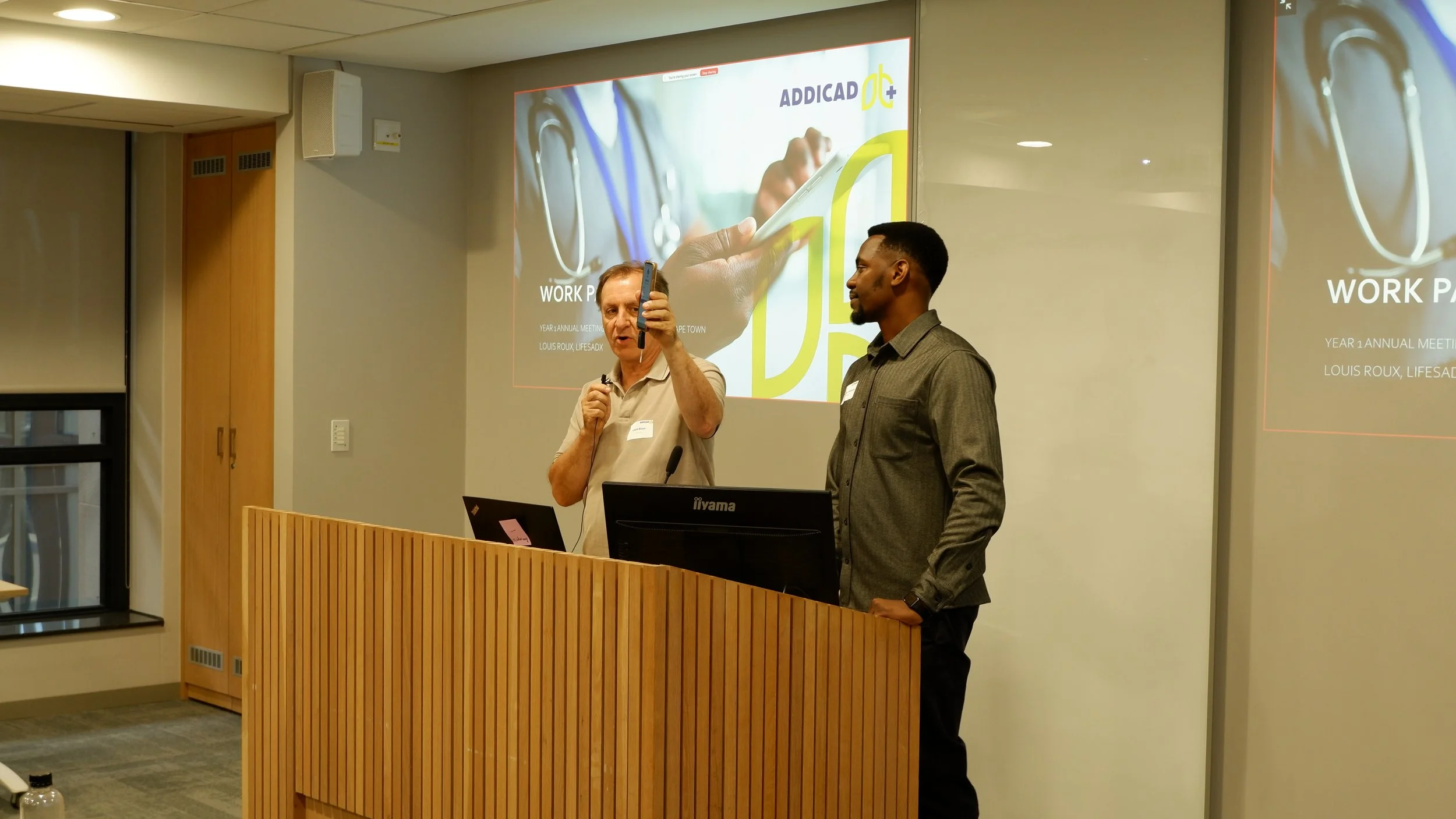
After project coordinator Fanie Malherbe of Stellenbosch University welcomed the partners, Louis Roux, CEO of LifeSADX, opened the scientific programme with a look at the rapid fingerstick blood test and accompanying smartphone app his company is developing for AddiCAD. This test is designed to measure specific proteins in a drop of blood that reflect the body’s response to infection. The consortium plans to combine these measurements with a score from CAD4TB, an AI tool developed by project partner Delft Imaging to analyse chest X-rays for signs of TB.
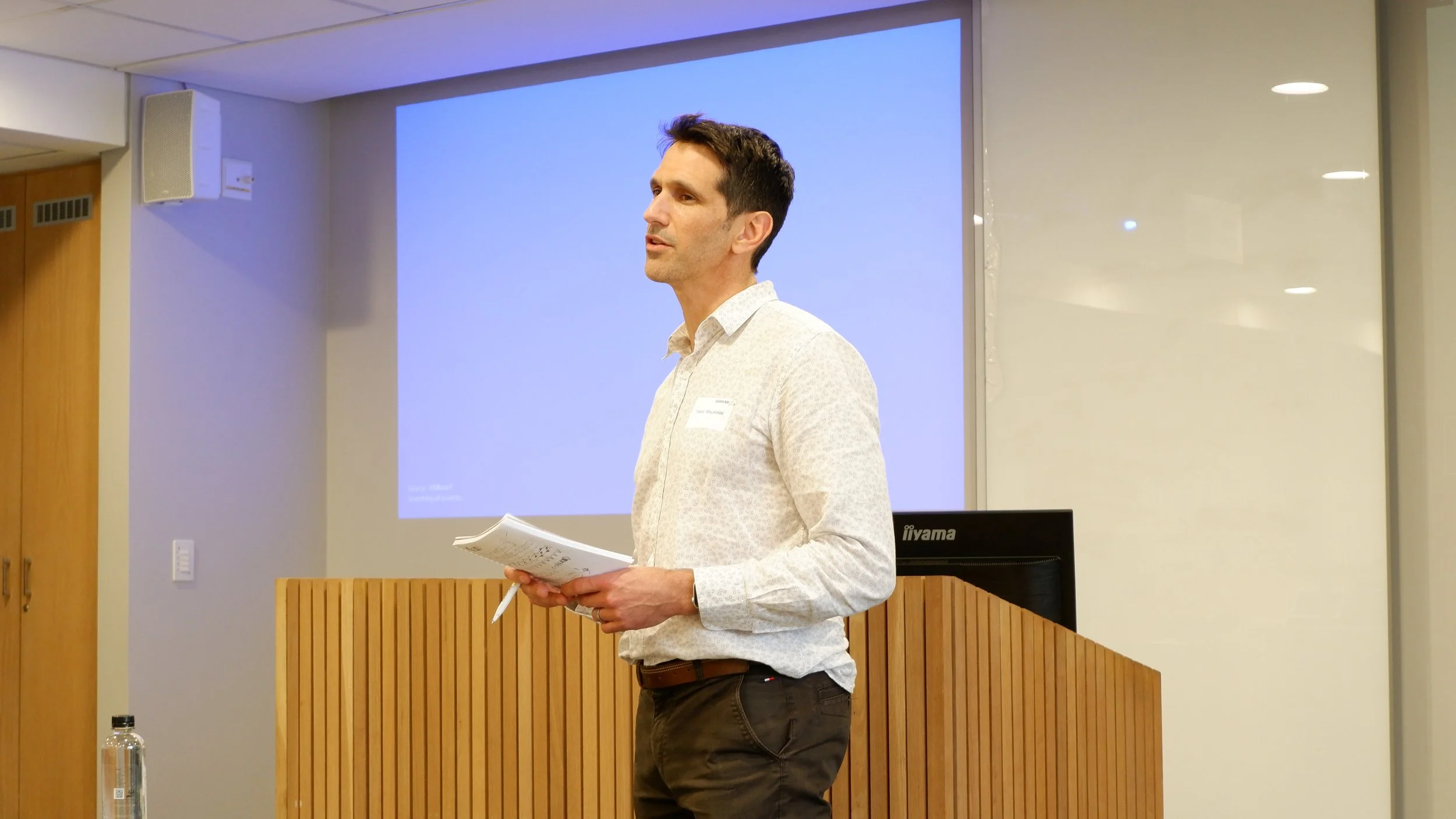
Following Roux’s presentation, Malherbe turned to the clinical study, which will assess whether adding the blood test improves the accuracy of chest X-ray screening alone. To answer this question, clinical teams in South Africa, Namibia and The Gambia plan to evaluate the combined approach in around 1,000 adults. With preparations now under way across all three sites, partners discussed progress on ethics approvals and plans for staff training. They also looked ahead to a pilot at Stellenbosch University, where researchers will compare results from the fingerstick test with laboratory measurements of the same proteins before the main study begins.
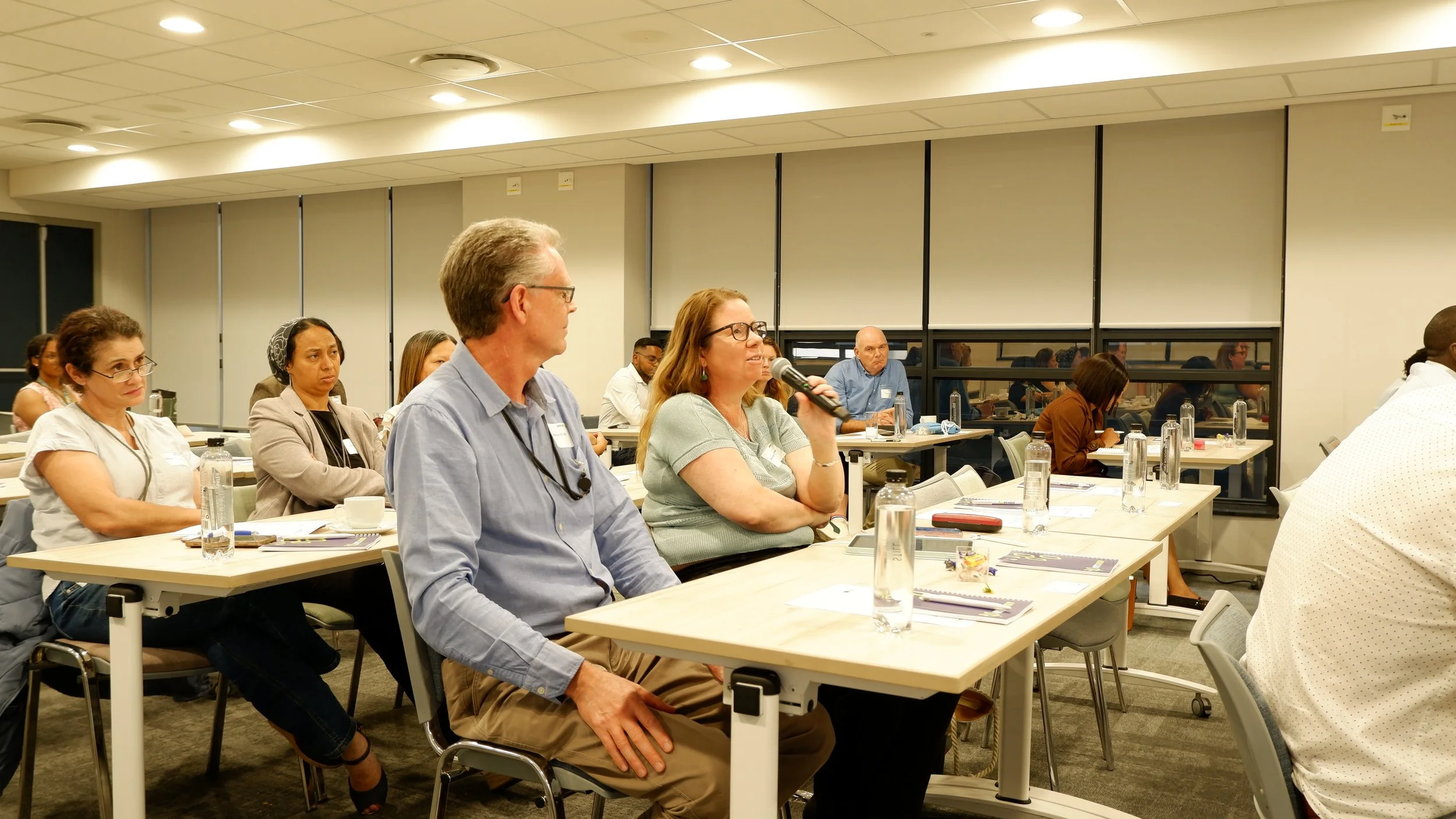
Gian van der Spuy of Stellenbosch University then explained how the teams will bring their findings together. A shared study database will allow staff at each site to record clinical information and laboratory results in the same way, so researchers can compare how the tests perform across the three settings.
Putting the study plans into practice
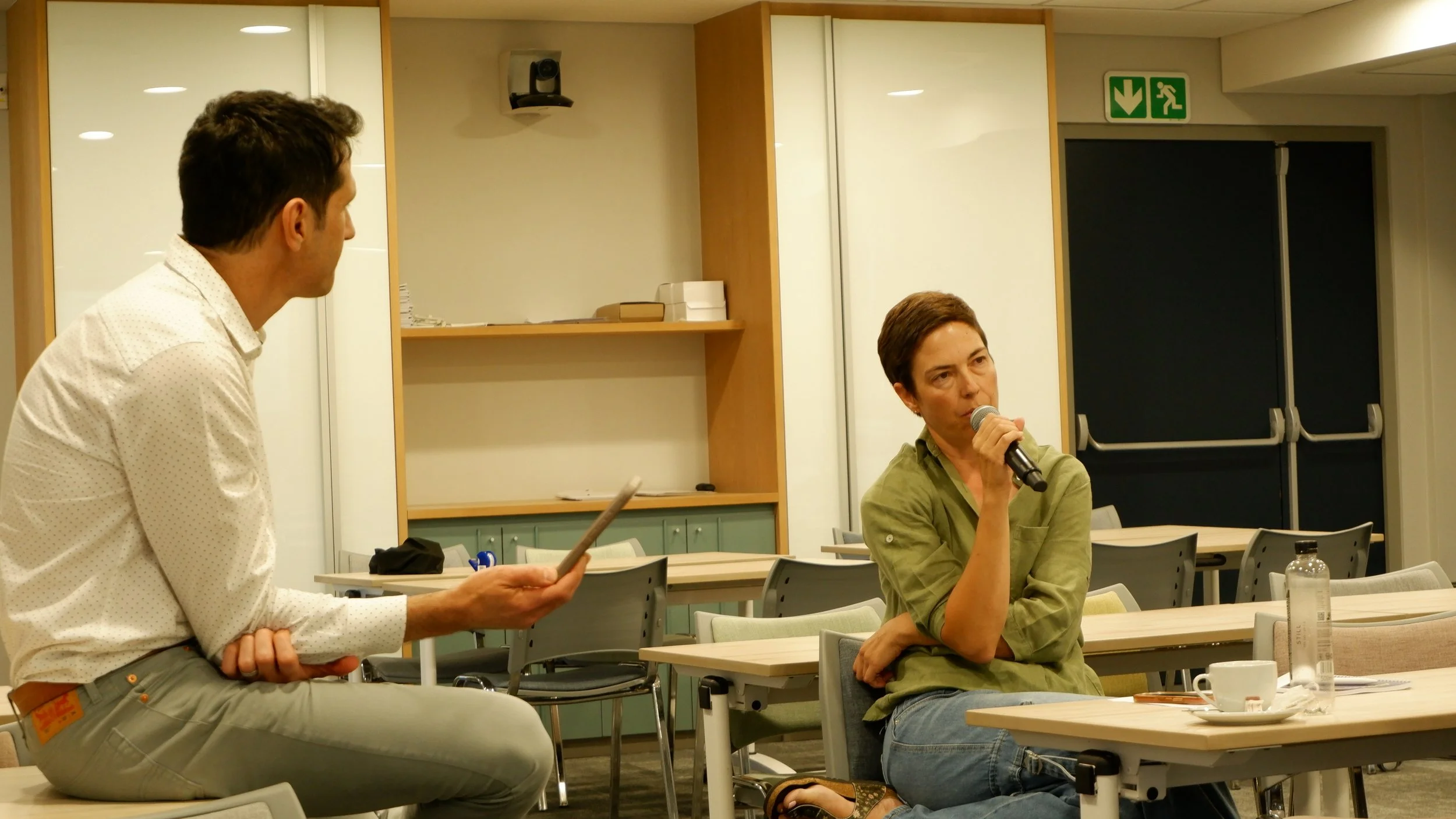
On the second day, partners discussed how to involve local communities as the clinical study takes shape. The teams in South Africa and Namibia have approached existing community advisory boards (CABs) for initial discussions. These boards give community members a way to share local priorities and advise researchers on practical issues, such as barriers people may face when taking part in the study. Once the sites receive ethics approval, their teams will also engage with national TB programmes and local healthcare workers.
The final sessions of the meeting focused on preparations for the clinical study and the steps needed for wider use of the AddiCAD approach. Louis Roux and Frank Vijn of Delft Imaging led a workshop on planning for WHO prequalification, looking to the evidence the partners will need if the approach is to reach wider use. Malherbe then took partners through the study protocol and the informed consent process, before Vijn concluded the training with a session on using CAD4TB in practice and the challenges teams may face at the study sites.
In the months ahead, LifeSADX will continue refining the blood test while the clinical teams prepare for the pilot and the wider study. The evaluation across three countries will help the consortium understand where the combined approach could be most useful in everyday TB care.